






















Securing a Section 8 Housing Choice Voucher represents a significant milestone in the journey toward finding a stable, affordable home. However, the transition from receiving a voucher to signing a lease is often the most challenging phase. In many parts of the United States, the final hurdle—finding a landlord willing to accept government assistance—can be a daunting task due to the lack of universal protections for voucher holders.
In many regions, property owners are legally permitted to decline applicants based solely on their use of a Section 8 voucher. Rental listings frequently include explicit language stating that vouchers are not accepted, which drastically reduces the inventory of available homes. This scarcity is a primary reason why some households are forced to forfeit their vouchers; they simply cannot find a participating landlord before the voucher’s expiration deadline.
To address this gap in housing access, a growing number of state and local governments have implemented “Source of Income” (SOI) protection laws. these regulations redefine a Section 8 voucher as a legal form of income, making it illegal for landlords to reject a tenant based on how they pay their rent. These laws are designed to ensure that all renters have an equal opportunity to compete for housing in the private market.
Below is a comprehensive list of jurisdictions that currently provide legal protections for renters participating in the Section 8 Housing Choice Voucher program.
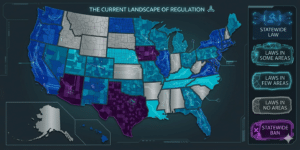
Statewide Protections Against Voucher-Based Discrimination
- California
- Colorado
- Connecticut
- District Of Columbia
- Hawaii
- Illinois
- Maine
- Maryland
- Massachusetts
- New Jersey
- New York
- North Dakota
- Oklahoma
- Oregon
- Rhode Island
- Utah
- Vermont
- Virginia
- Washington
Counties Mandating Fair Access for Voucher Holders
- Los Angeles County, CA (Unincorporated areas only)
- Marin County, CA (Unincorporated areas only)
- Santa Clara County, CA (Unincorporated areas only)
- Alachua County, FL
- Broward County, FL
- Hillsborough County, FL
- Miami-Dade County, FL
- Orange County, FL
- Cook County, IL
- Anne Arundel County, MD
- Baltimore County, MD
- Frederick County, MD
- Howard County, MD
- Montgomery County, MD
- Prince George’s County, MD
- Erie County, NY
- Nassau County, NY
- Suffolk County, NY
- Westchester County, NY
- King County, WA
- Dane County, WI
- Milwaukee County, WI
City-Level Statutes Protecting Source of Income
- Phoenix, AZ
- Tucson, AZ
- Alameda, CA
- Berkeley, CA
- Corte Madera, CA
- East Palo Alto, CA
- Fairfax, CA
- Los Angeles, CA
- Mill Valley, CA
- Milpitas, CA
- Novato, CA
- San Anselmo, CA
- San Diego, CA
- San Francisco, CA
- San Jose, CA
- San Rafael, CA
- Santa Monica, CA
- Woodland, CA
- Denver, CO
- Wilmington, DE
- Daytona Beach, FL
- Gainesville, FL
- Saint Petersburg, FL
- Tampa, FL
- Atlanta, GA
- Chicago, IL
- Harwood Heights, IL
- Naperville, IL
- Urbana, IL
- Lawrence, KS
- Louisville, KY
- Boston, MA
- Cambridge, MA
- Quincy, MA
- Revere, MA
- Annapolis, MD
- Baltimore, MD
- Frederick, MD
- Portland, ME
- Ann Arbor, MI
- East Lansing, MI
- Grand Rapids, MI
- Holland, MI
- Jackson, MI
- Kalamazoo, MI
- Kentwood, MI
- Lansing, MI
- Wyoming, MI
- Minneapolis, MN
- Clayton, MO
- Saint Louis, MO
- Webster Groves, MO
- Albuquerque, NM
- Buffalo, NY
- Hamburg, NY
- New York City, NY
- Rochester, NY
- Syracuse, NY
- West Seneca, NY
- Akron, OH
- Athens, OH
- Bexley, OH
- Cincinnati, OH
- Cleveland Heights, OH
- Columbus, OH
- Dayton, OH
- Gahanna, OH
- Linndale, OH
- Reynoldsburg, OH
- South Euclid, OH
- Toledo, OH
- University Heights, OH
- Warrensville Heights, OH
- Westerville, OH
- Whitehall, OH
- Wickliffe, OH
- Worthington, OH
- Yellow Springs, OH
- Philadelphia, PA
- Pittsburgh, PA
- State College, PA
- Providence, RI
- Memphis, TN
- Bellevue, WA
- Kirkland, WA
- Olympia, WA
- Redmond, WA
- Renton, WA
- Seattle, WA
- Spokane, WA
- Tumwater, WA
- Vancouver, WA
- Cambridge, WI
- Madison, WI
- Milwaukee, WI
- Ripon, WI
- Wauwatosa, WI
Pending Legislation and Proposed Housing Protections
- Michigan
- New Mexico
- Ohio
- St. Louis County, MO
States That Prohibit Source of Income Ordinances
- Arizona (Excluding Phoenix and Tucson)
- Iowa
- Texas
Key Exceptions and Legal Nuances in Fair Housing Laws
While many areas offer protections, there are often specific exemptions and conditions that both renters and landlords should understand:
- Owner-Occupied Small Properties: In many jurisdictions, anti-discrimination laws do not apply to buildings with three or fewer units if the owner resides in one of the units.
- Inspection and Repair Costs: In some areas, a landlord may refuse a voucher if the government-required inspection reveals necessary improvements costing more than $1,500, provided the landlord cannot secure mitigation funds to cover those costs.
- Single-Family Dwellings: Certain laws exempt private owners who own no more than three single-family homes, provided the rental process does not involve a real estate broker.
- Rent Limits: Protection often only applies if the monthly rent of the unit falls within the “allowable rent” limits established by the Department of Housing and Urban Development (HUD).
- Enforcement Challenges: It is important to note that even where laws exist, enforcement can vary. For instance, in some locations, local counsel may decline to prosecute specific Section 8 discrimination cases despite the statutes on the books.
Summary of Fair Housing Rights for Voucher Holders
Navigating the rental market with a Section 8 Housing Choice Voucher requires an understanding of local civil rights and “Source of Income” laws. While federal policy does not currently prohibit voucher discrimination nationwide, a significant number of states, counties, and cities have taken steps to ensure that rental assistance is treated as a valid form of payment. By familiarizing themselves with these local protections and their associated exemptions, voucher holders can better advocate for themselves and increase their chances of securing safe, affordable housing.